The findings, published on 10 November 2026, reveal how the network used seemingly legitimate journalism to spread pro-Kremlin narratives and influence public debate across Europe and beyond.
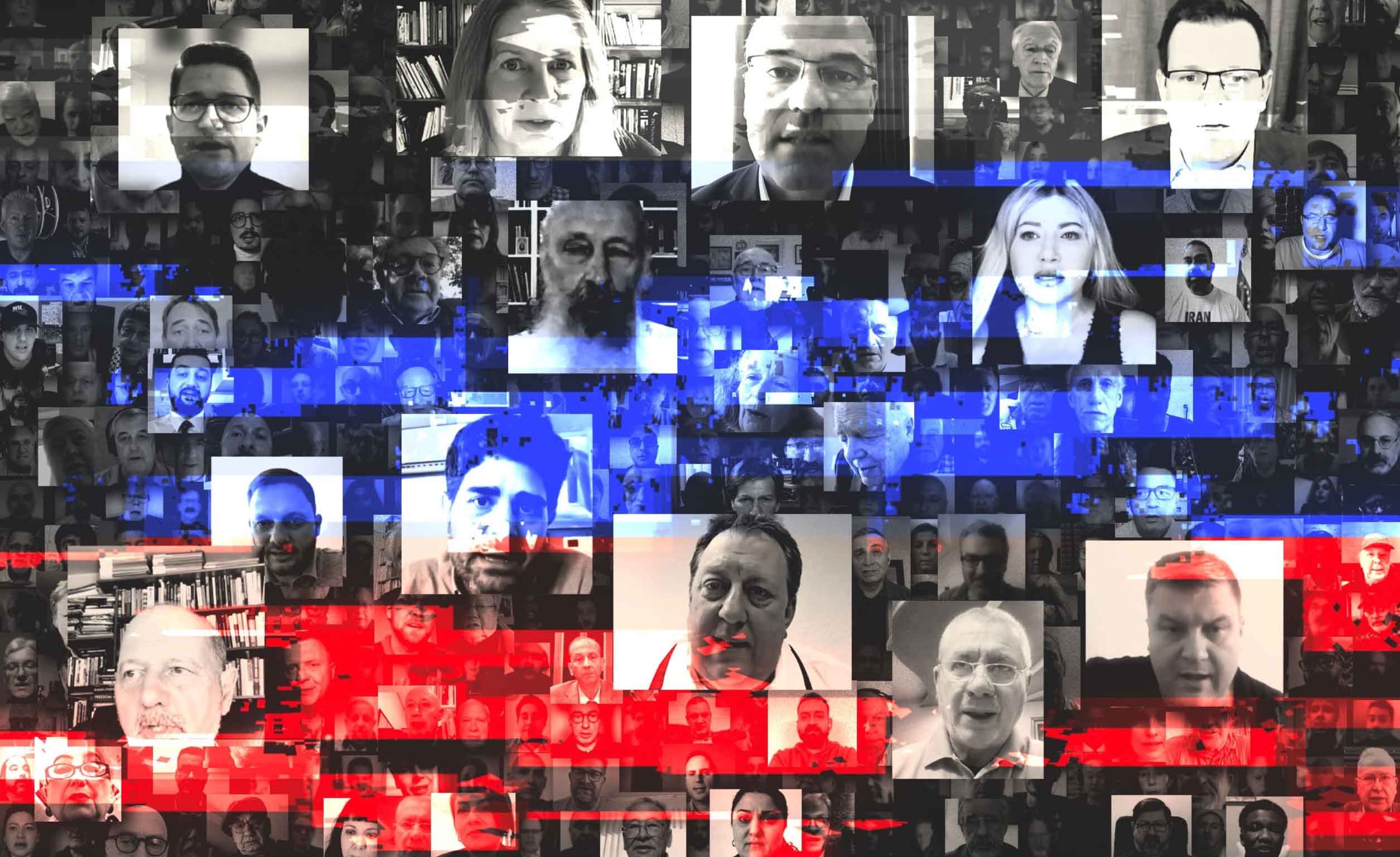
The investigation examined more than 500 video interviews published on websites associated with Doppelgänger, a Russian state-backed influence operation known for impersonating established news organisations. The interviews generated approximately 1,800 articles, featuring contributors ranging from European parliamentarians and former NATO military officers to political commentators and academics.
The material became accessible after hackers took control of Recent Reliable News (RRN), one of the campaign’s principal websites, and transformed it into a searchable archive of interviews. OCCRP and Delfi subsequently analysed the recordings and contacted more than 60 interviewees to establish how they had been recruited.
From fake news websites to credible-looking interviews
Doppelgänger first attracted international attention in 2022 by creating counterfeit versions of legitimate media websites to distribute pro-Russian propaganda. The operation subsequently expanded into publishing original-looking news websites in several languages, featuring interviews with recognisable public figures.
Western authorities and researchers have linked the campaign to the Social Design Agency (SDA), a sanctioned Russian public relations company operating alongside other organisations associated with the Russian Presidential Administration.
According to leaked internal documents, the agency actively sought influential personalities who could help its narratives gain credibility and reach Western audiences.
One internal meeting note from 2022, cited by the FBI, stated: “We need influencers! A lot of them and everywhere.”
The investigation identified at least ten current and former politicians from Germany’s far-right Alternative for Germany (AfD) among those interviewed. Other contributors included former American intelligence officers, European politicians and academics.
However, appearing in the network’s publications does not establish that interviewees knowingly participated in Russian propaganda operations. Several explicitly denied being aware of the websites’ connections to Doppelgänger.
Recruitment through intermediaries
The investigation revealed that interviewees were frequently approached through social media by individuals presenting themselves as journalists or producers. One recruiter, using the name Nikolay Maslov, contacted Western political figures while claiming to represent a German media company. OCCRP found no evidence of his professional journalism background.
Other interviews were arranged by Brazilian supporters of Russian ultranationalist ideologue Alexander Dugin. Among them was Raphael Machado, associated with the New Resistance movement, who reportedly organised interviews with several Western public figures.
The network’s approach allowed propaganda outlets to acquire authentic statements from recognisable individuals and subsequently incorporate them into articles promoting pro-Russian positions.
Frederick Broßart, a German local politician, acknowledged that he had failed to investigate the background of publications interviewing him, despite previously discovering connections between one outlet and Doppelgänger.
Reach does not necessarily mean influence
The findings raise questions about how disinformation campaigns exploit journalistic formats and established public figures to manufacture credibility.
James Pamment, director of Lund University’s Psychological Defence Research Institute, cautioned against equating the volume of propaganda with its effectiveness. “They use amplification bots and basically every other tool possible on every stage to maximize reach,” Pamment told OCCRP. “But reach doesn’t mean effect.”