
What is it?
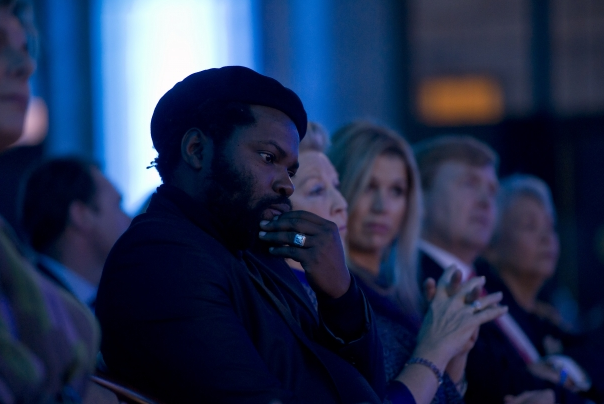
Chimurenga was launched in 2002 by writer and DJ Ntone Edjabe. He attended the University of Lagos but was “educated” by Nigerian musician and radical thinker Fela Kuti. In 1993, Edjabe relocated to Cape Town and set up the Pan African Market as a space for the free flow of ideas and projects in a context marred by xenophobia.
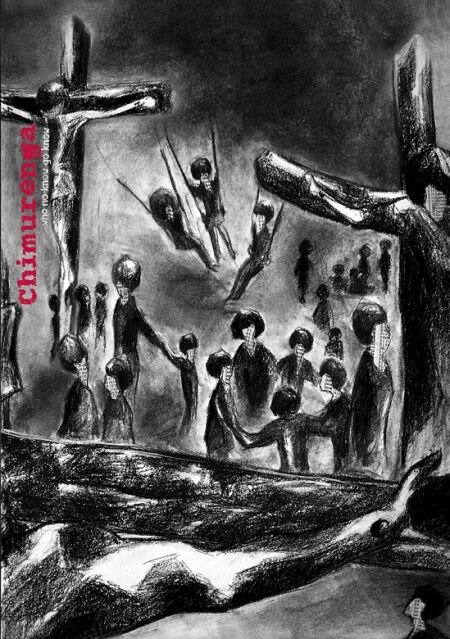
In 2002 he launched Chimurenga magazine to collect and distribute original perspectives on the contemporary African experience. It offers fresh interpretations, analyses, poetry, and photography by leading thinkers, writers, journalists, and practitioners in various disciplines from Africa and elsewhere.
Chimurenga’s network of cutting-edge contributors has gained an audience that includes public intellectuals, social leaders, and activists, both in Africa and internationally.
The magazine’s 2,500 print-run is distributed to enthusiastic followers, and selected articles are posted on the website and available as “pocket literature”. Its titles include “Music is The Weapon”, “Black Gays and Mugabes”, and ‘The Curriculum is Everything”.
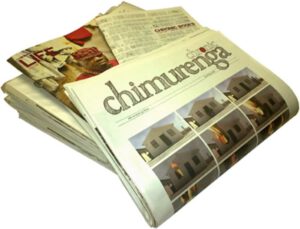
Over the years, Chimurenga has developed into a series of publications, cultural projects, and public events called the Chimurenga Sessions. It is now a mutable object, taking shape as a print magazine, a website, a workspace, and a platform for editorial and curatorial activities.


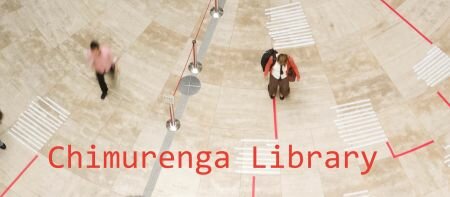
Making strategic use of media and collaborations, Chimurenga’s activities also include The Chimurenga Library, an unique online archive of independent African cultural periodicals, and two editions of the Pan African Space Station, a 30-day series of live performances and radio broadcasts expanding notions of African music from ancient techno to future roots.
Chimurenga also co-produces the African Cities Reader, an online journal and biennial print publication about African urban life, featuring stories by Africans drawing their own maps and representing their spatial topographies; and Pilgrimages, an attempt to counter media distortions through literary journalism by inviting fourteen African writers to visit an explore the complex urban landscapes of fourteen African cities.
What’s unique about it?
Chimurenga has been selected for the quality, originality, and impact of their productions, for creatively using networks to challenge established definitions of journalism, and for their commitment to independent journalism and intellectual autonomy.
Chimurenga is an effective and innovative pan-African, multimedia publication, which is networked across the continent and beyond, presenting multiple voices on various media platforms, including online, print, public sessions, and art exhibitions. It has a unique focus on new African aesthetics and visual storytelling, drawing in outstanding artists and storytellers from various disciplines.
 Through Chimurenga, photographers, cartoonists, artists, and journalists work closely together to tell multi-layered stories and to show multiple points of views on social, cultural, and political issues concerning Africa, contributing to a deeper understanding of cultural diversity in African countries. The editors add analyses and reflection to news stories.
Chimurenga’s capacity to influence ideas, its literary writing, and its role as an innovative educational model have been recognized internationally. According to Simon Kuper of The Financial Times “Chimurenga changes your view of Africa, and of journalism.”